June 17, 2026
Installing an awning can enhance the functionality and aesthetics of your home. However, the timing of this upgrade is crucial to ensure optimal benefits and a smooth installation process. This article will guide you through key considerations and timing strategies to help you make the most informed decision for adding an awning to your home. By understanding the types of awnings available, considering the optimal time for installation, and evaluating economic factors, you can make a choice that meets both your aesthetic preferences and practical needs.
Understanding the Different Types of Awnings
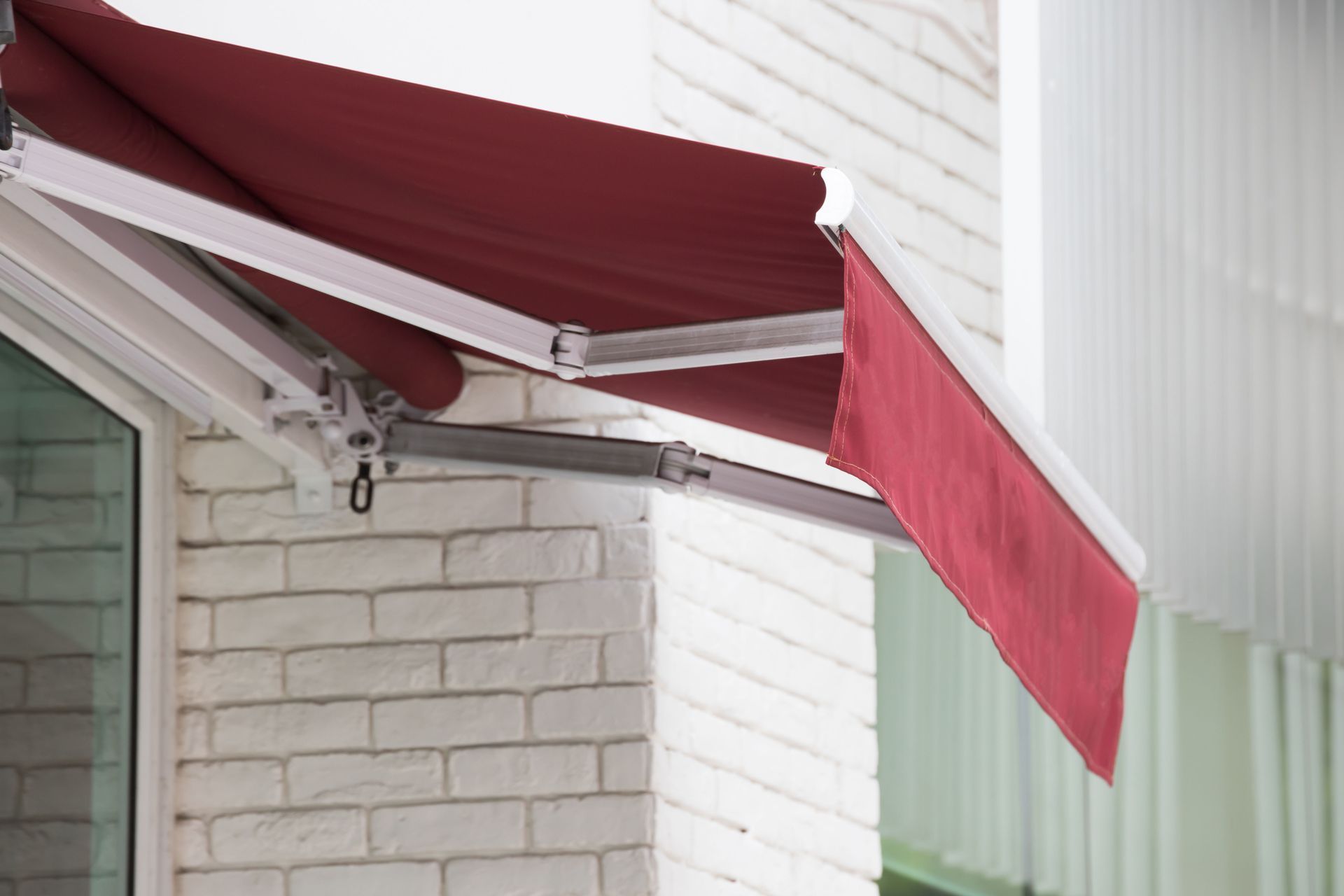
One of the most common options is a retractable awning, which offers flexibility to homeowners who want to control when they want shade. They can be extended during sunny days and retracted during stormy weather, protecting the awning material from potential damage. This type of awning is perfect for those who want to enjoy both open skies and shaded comfort on their patios. Retractable awnings are available in manual and motorized versions, the latter adding an element of convenience.
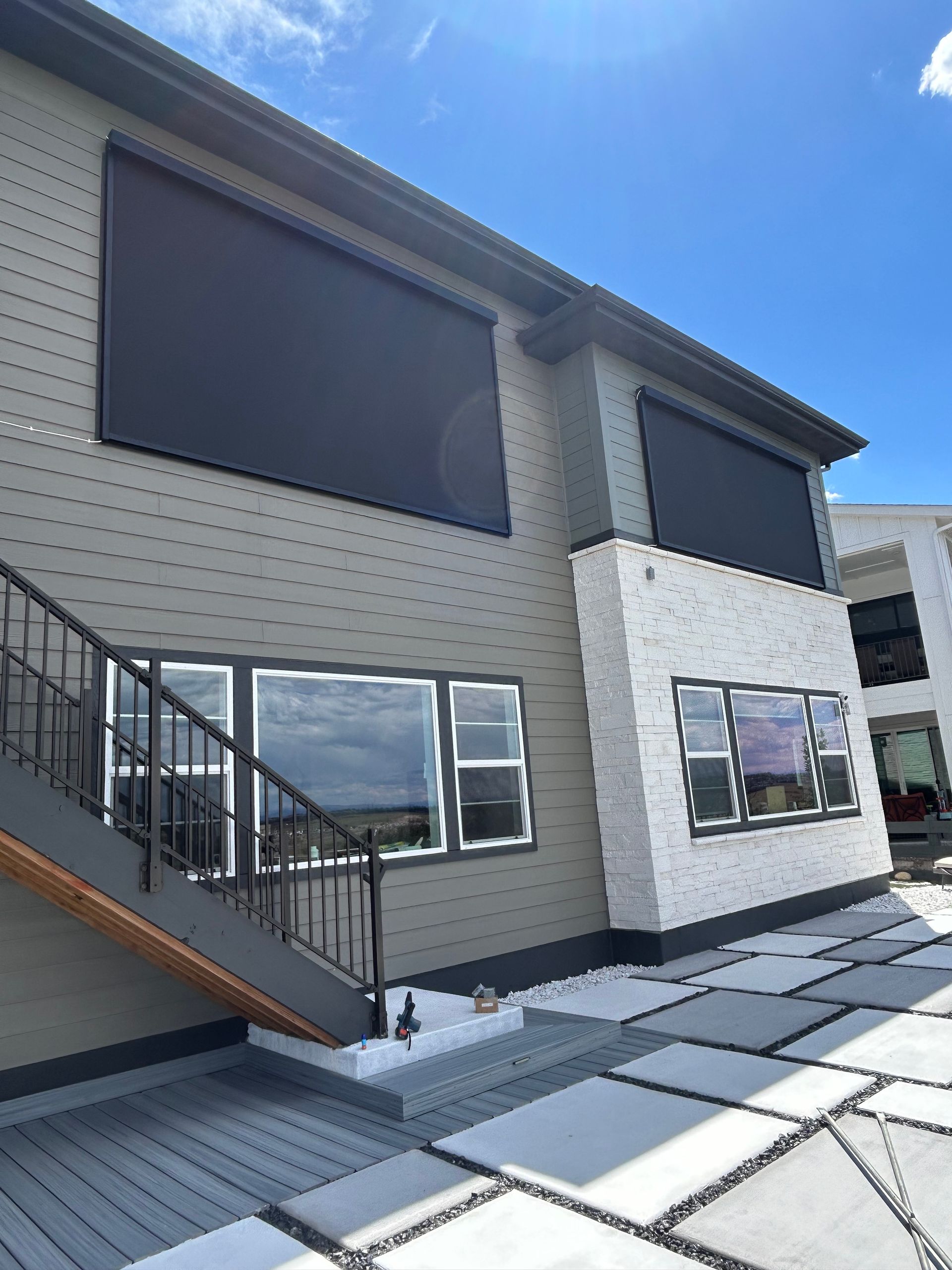
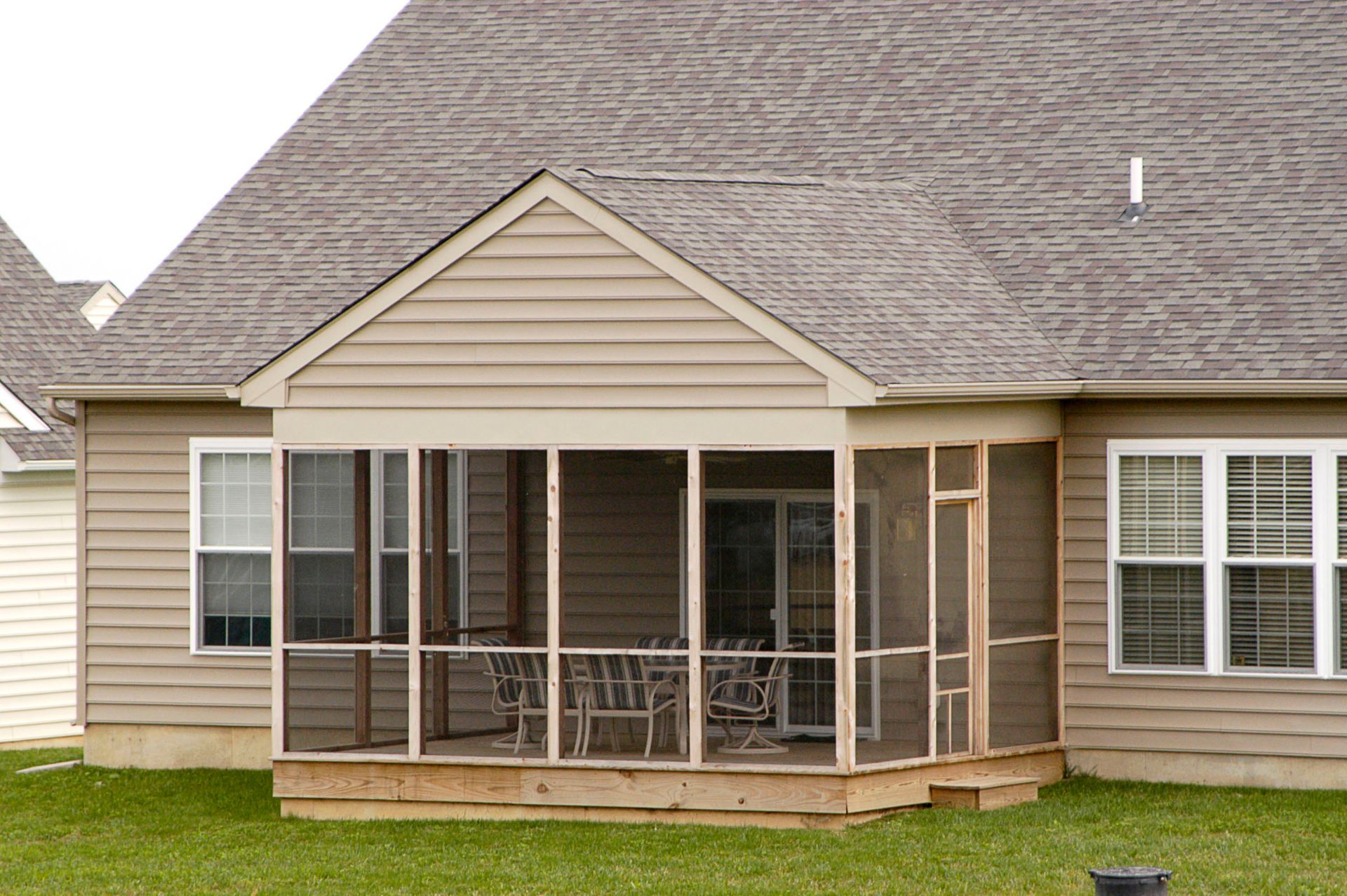
Fixed awnings, as the name suggests, are permanent fixtures once installed and offer continuous shade and protection. They are particularly useful in climates with consistent weather patterns and are available in various styles and materials. This type of awning can add a distinct architectural element to homes, enhancing the aesthetic appeal. The sturdiness of fixed awnings makes them ideal for areas with gusty winds as well. However, their permanent nature means they require significant planning and installation expertise to ensure they are optimally placed.
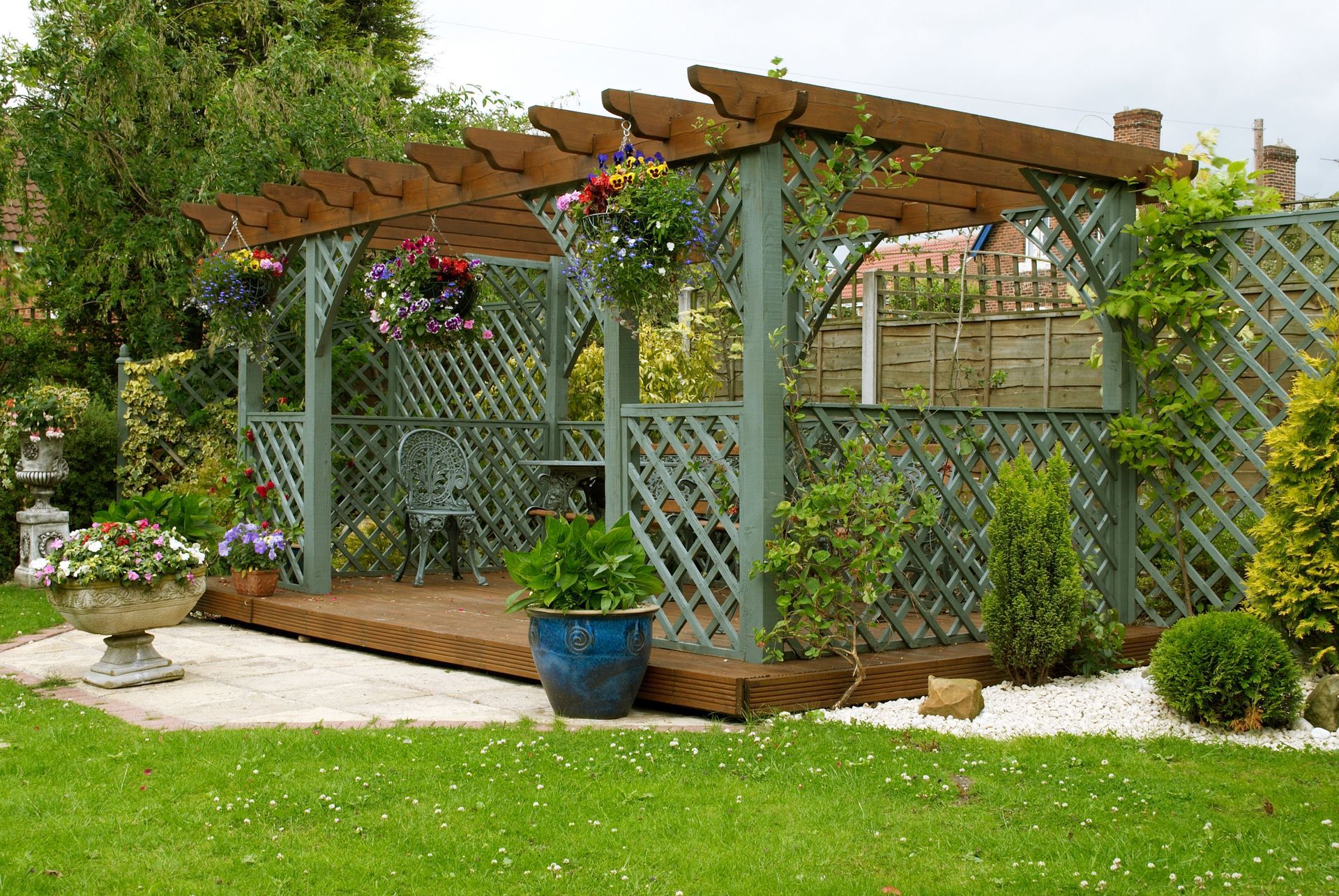
Freestanding awnings are versatile structures not attached to any building, perfect for creating standalone shaded areas in gardens or patios. They provide homeowners with design flexibility, allowing for the creation of separate outdoor living spaces. These awnings are excellent for those who like to host gatherings in their yard while offering protection from sun and rain. However, freestanding awnings might need additional support and structural considerations due to their standalone nature.
Evaluating the Best Time of Year for Installation
The timing of you retractable awning installation can significantly affect the ease of the process and the longevity of the awning itself. It is often best to install during a stable weather period, such as spring, avoiding harsh winter conditions which can interfere with installation and damage materials. Installing in mild weather ensures that adhesives and other material-setting processes are optimized. Unexpected weather changes can halt the installation process and possibly lead to structural issues. According to The Spruce, project lead time for awning installation can be anywhere from two to six weeks, reinforcing the importance of planning ahead.
Understanding peak times for awning installations can benefit homeowners in terms of both cost and service availability. During spring and summer, demand for home improvements generally increases, potentially leading to higher prices and difficulty scheduling with contractors. On the flip side, opting for installation in the off-season not only may reduce costs but also provide a higher likelihood of securing top talent as contractors have more availability. Booking early and planning according to these patterns can help ensure smooth project execution.
Homeowners can take advantage of sales and promotions by planning their purchase during times when retailers are looking to clear inventory. End-of-season sales, particularly in fall, can offer significant discounts on awning materials and installation services. These promotions are advantageous for budget-conscious homeowners looking to maximize their investment without compromising quality. Being aware of when these promotions occur can result in substantial savings.
Assessing the Economic Factors
Budget planning is an integral aspect when considering the installation of an awning. It's important to perform a comprehensive cost analysis, taking into account both upfront costs and potential additional expenses, such as maintenance or repairs. Considering the material and type will greatly affect the budget, as certain elements like motorization may drive up costs. Moreover, unforeseen challenges during installation could impact financial plans.
Conducting a cost-benefit analysis can help determine the financial viability of installing a retractable awning. Considerations should include potential energy savings by reducing cooling costs, enhancing property value, and improving usability of outdoor spaces.
Comparing these benefits against the installation costs provides a clearer picture of the real value the awning will deliver. It's crucial to also factor in the specific long-term benefits aligned with personal needs, such as frequency of outdoor space usage.
Exploring financing options can enable homeowners to undertake awning installations without significant upfront capital. Many retailers and installation companies offer financing plans, allowing payments over time, potentially making better-quality options more affordable. Reviewing these options carefully ensures you understand the terms, including interest rates and total payback amounts. Financing offers may vary widely, hence it's imperative to compare different providers to secure the most favorable terms.
Preparing for Pre-Installation
Before installing an awning, accurate measurement of your space is vital to ensuring proper fit and function. Measure the area where the awning will be installed, accounting for any obstructions like windows, trees, or doors that could interfere with placement. Typically, professionals recommend allowing some additional width to accommodate for potential shifting and aesthetics. An accurate initial assessment can avert costly adjustments and facilitate a smoother installation process. Finally, ensure that the measurements and any potential adjustments are discussed in detail with your contractor during the planning stage.
Securing the necessary permits is a critical step in the pre-installation process to ensure compliance with local building codes and regulations. Different municipalities may have varying requirements, and failing to acquire permits can result in fines or orders for removal. It's advisable to consult with local authorities or hire a professional familiar with the local zoning laws to navigate this bureaucratic phase. Obtaining these permits signifies an essential aspect of project planning and readiness.
Professional consultation on your retractable awning can provide insightful guidance and help avoid common pitfalls often associated with awning installations. These experts bring a wealth of knowledge and experience, from design considerations to technical specifications, ensuring optimal results. They can suggest suitable styles, materials, and installation strategies based on the unique characteristics of your property. Consultation should address safety concerns, such as structural integrity and wind load resilience.
Understanding Installation Challenges
Avoiding common installation mistakes is critical to the successful addition of an awning to your home. Improper measurements or failure to level the installation area can lead to suboptimal performance and aesthetic issues. Skimping on quality in materials or installation services can result in long-term problems, such as sagging fabric or malfunctioning mechanisms. Choosing an experienced installer helps mitigate risks and ensures compliance with safety standards.
Structural concerns are prominent when installing an awning, especially regarding mounting on building exteriors. For awnings that need support from walls, checking the structural integrity of the attachment area is essential to avoid complications later. Some homes may require reinforcement or special fixtures to safely secure an awning, especially if motorized or heavier materials are used. Collaborating closely with professional installers can help in assessing these structural concerns thoroughly.
Delays can occur due to a variety of factors such as weather conditions, availability of materials, or contractor scheduling conflicts. Planning for potential delays by including buffer time in project schedules reduces stress and reassures installation success. Keeping open lines of communication with contractors enables quick adjustments when initial timelines falter.
Installing an awning is a valuable way to enhance comfort, shade, and curb appeal, but taking time to evaluate your space, materials, and functionality ensures the best results. From selecting the right style to understanding maintenance needs, careful planning makes all the difference, especially when considering a retractable awning for added flexibility. When you are ready to move forward, contact SunSaver, Inc to explore your options and get expert help with a seamless installation.